About
Why enterprise teams choose DataSafeHouse
We help organizations move beyond isolated pilots by combining platform governance with delivery execution for business-critical AI applications.
DataSafeHouse was built to solve a recurring enterprise problem: teams can prototype AI quickly, but production adoption stalls when governance, integration, and operational reliability are missing.
Our platform and services model addresses that gap. We bring control-plane rigor from gateway and admin-console patterns, and pair it with implementation expertise that translates architecture into real business workflows.
Our approach prioritizes credible technical foundations, clear operating boundaries, and measurable workflow outcomes over hype.
The people behind the platform
Meet the team
DataSafeHouse is built by Stork Technologies. Meet the team behind its technology, operations, and go-to-market strategy.
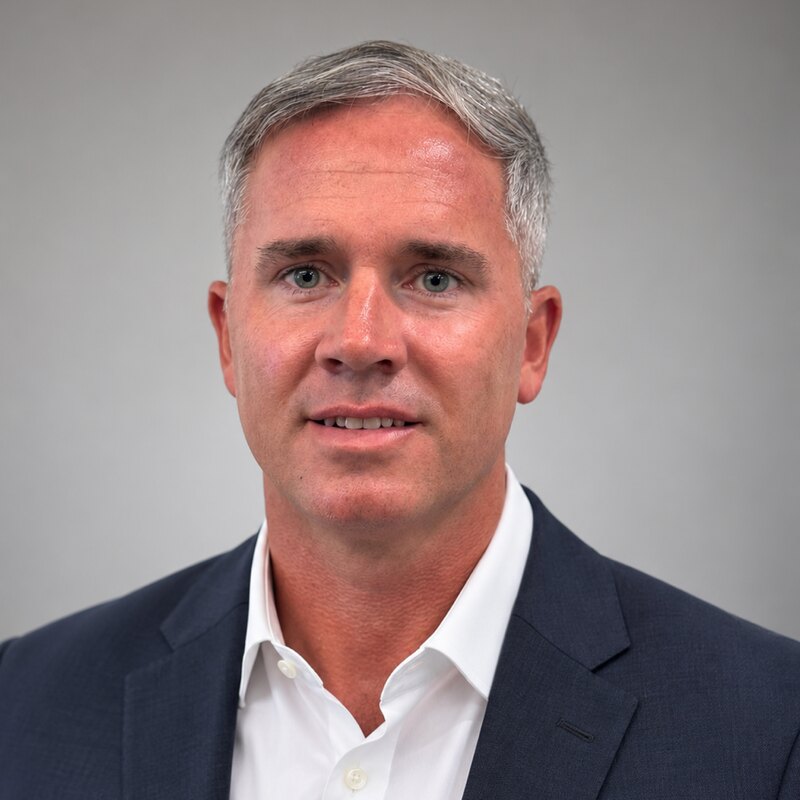
Mike Rosenello
CEO/CTO and Co-Founder
Mike is the CEO/CTO and co-founder of Stork Technologies. He leads the technical direction of the company and stays directly involved in client work, from early architecture through deployment and support. He also leads development of DataSafeHouse, Stork's enterprise AI platform.
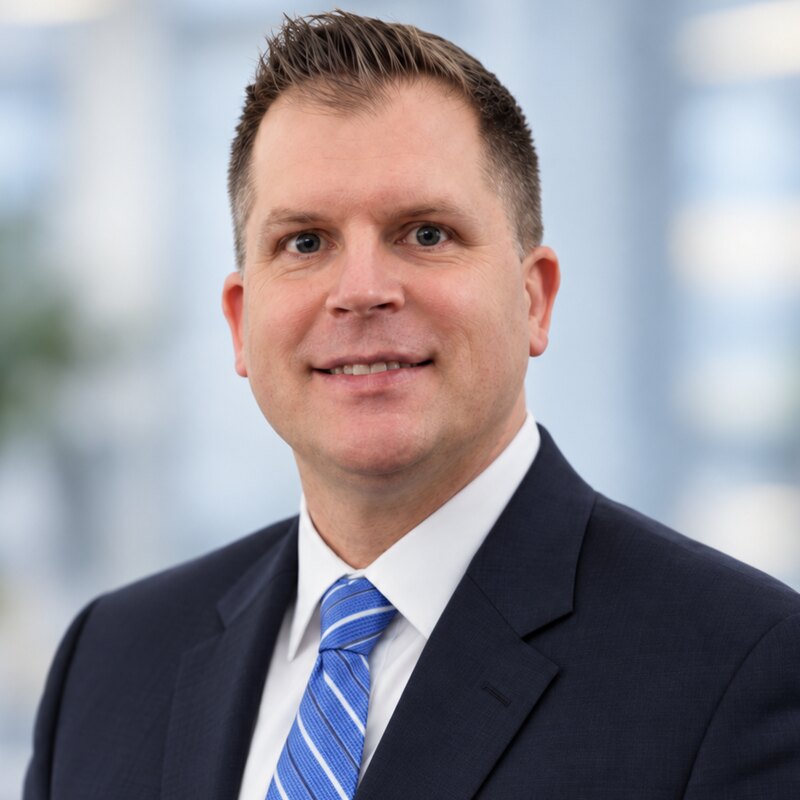
Brian Eckstrom
COO
Brian is COO of Stork. He has spent over twenty years leading technology organisations, most recently as a principal consultant advising companies on aligning their architecture with what the business is actually trying to achieve.

Andrei Hanzel
Go To Market
Andrei leads go-to-market at Stork. He takes an idea, works out where it makes a real difference for customers, and helps turn that into something a business can actually deliver.
Team principles
Governance first, not governance later
Security, policy controls, and auditability are embedded in design and delivery decisions from day one.
Domain workflow orientation
We focus on applications that improve enterprise operations, not generic demos detached from business execution.
Operational accountability
We define ownership models and observability practices so teams can run AI applications as durable products.